
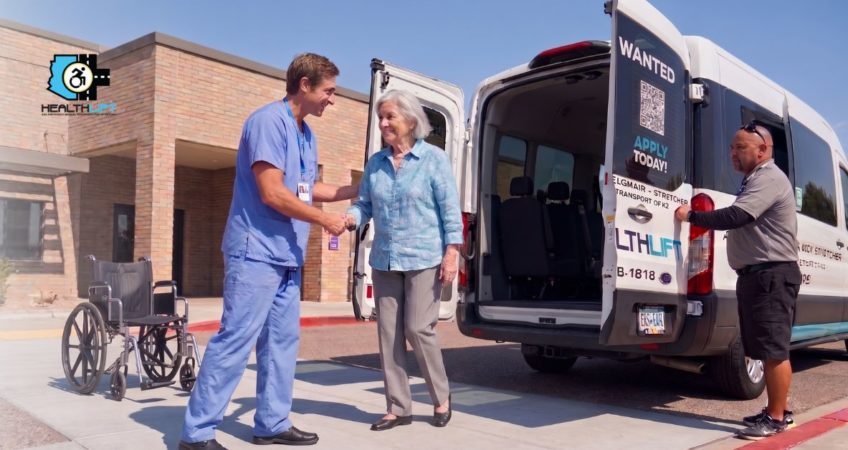
Some health conditions change how a person moves through the world, even when those changes aren’t easy for others to see. A rider may look steady while standing in a lobby, but still struggle with pain, fatigue, dizziness, sensitivity to touch, or limited mobility by the time it’s time to get into a vehicle.
At HealthLift, we understand that invisible disabilities can make transportation more stressful than it appears from the outside. A short ride can feel exhausting. A long walk through a parking lot can trigger pain before an appointment even begins. A standard vehicle may not offer enough space, support, or patience for someone who needs extra time to board safely.
That’s why non-emergency medical transportation matters. The right ride does more than move a person from one address to another. It helps protect comfort, reduce stress, and make important appointments easier to manage.
Why Standard Vehicles Fail During Accident Recovery
Standard vehicles work well for healthy people, but they often fail after a trauma. Imagine trying to climb into a high SUV or a low sedan with a broken hip or back injury. Your body now requires more space and a much smoother ride than a family vehicle offers.

What Is an Invisible Disability?
An invisible disability is a condition that can affect daily life without being obvious to other people. Some riders live with pain, fatigue, weakness, sensory sensitivity, or mobility limits that change from day to day. Others may need help only during flare-ups, after treatment, or when travel requires more energy than they have available.
Because these needs aren’t always visible, riders and caregivers may feel pressure to push through regular transportation. However, that approach can make the trip harder than it needs to be. Rides should match the rider’s actual needs, not just how the passenger appears at the moment.
Before scheduling a ride, it helps to ask practical questions:
- Can the rider walk safely from the door to the vehicle?
- Can they step into a standard car without pain or risk?
- Do they need a wheelchair, scooter, stretcher, or extra space?
- Will they need help after the appointment, when fatigue may be at its worse?
- Would a longer ride increase pain, stiffness, or sensitivity?
These questions help families choose transportation that supports the rider from pickup to drop-off.
Fibromyalgia Symptoms That Can Make Travel Difficult
Travel involves more than sitting in a car. Riders may need to get ready, walk to the pickup point, climb into a vehicle, sit through traffic, enter a medical building, check in, wait, and then repeat the process on the way home.
For someone living with fibromyalgia, symptoms can include widespread pain, fatigue, sleep problems, and trouble with memory or concentration. During travel, those symptoms may show up in practical ways:
- Sitting too long may increase discomfort.
- Walking through a parking lot may use too much energy.
- Noise, stress, or rushed movement may make the trip harder.
- A long appointment may leave the rider too tired for the return ride.
- Pain may change quickly, even when the day started well.
That’s where chronic pain transport can make a difference. A planned ride with the right support can reduce unnecessary walking, rushed transfers, and uncertainty.
CRPS Symptoms and Transportation Challenges
Some chronic pain conditions affect how the body responds to touch, movement, temperature, or pressure. For example, CRPS (Complex Regional Pain Syndrome) may involve intense pain, swelling, changes in skin temperature or color, and reduced mobility in the affected area.
For a rider, that can make ordinary transportation difficult. A quick bump, tight seating position, sudden movement, or rushed transfer may cause distress. Even getting into a vehicle can feel overwhelming if the rider needs to protect one arm, leg, foot, or hand.
In these situations, the transportation experience should feel calm and controlled. The rider may need:
- Extra time to board
- A vehicle with enough space for safe positioning
- Help entering or exiting without rushing
- Clear communication before movement
- A driver who understands that pain is real, even when it’s not visible
Reliable transportation also supports caregivers. Instead of handling lifting, parking, traffic, and timing alone, families can focus on the person they’re helping.
Why Standard Transportation May Not Be Enough
A standard car, taxi, or rideshare may work for many trips. However, they rarely meet the needs of riders who deal with pain, fatigue, sensitivity, limited mobility, or changing symptoms.
Regular transportation often assumes that the passenger can walk to the curb, enter the vehicle quickly, sit comfortably, and exit without much support. For many riders, that isn’t always realistic.
A standard ride may become stressful when:
- The rider can’t walk long distances safely.
- A low vehicle makes transfers painful or difficult.
- The driver can’t help with mobility equipment.
- The rider needs a wheelchair, stretcher, or extra space.
- The trip requires more time, patience, or preparation.
- The return ride becomes harder after treatment or an appointment.

This is why chronic pain transport should focus on more than the drive itself. It should support the full travel experience, from the moment the rider prepares to leave until they arrive safely at their destination.
When Accessible Transportation May Help
Not every rider with a hidden condition uses a mobility device every day. Some people walk at home but need a wheelchair for longer distances. Some can transfer into a seat on good days but need ramp access during flare-ups. Others may use a mobility aid after surgery, during treatment, or when pain makes standing unsafe.
Accessible transportation can help when a standard vehicle no longer feels safe, comfortable, or predictable. In some cases, families may search for a wheelchair van for disabled riders because they need a vehicle that supports mobility equipment and reduces difficult transfers.
| Rider Need | Transportation Support That May Help |
| Pain increases with walking | Wheelchair-accessible transportation can reduce distance and strain. |
| Sitting upright is difficult | Stretcher transportation may be more appropriate. |
| Transfers are painful or unsafe | A ramp-equipped vehicle can help limit unnecessary movement. |
| Fatigue is worse after appointments | Scheduled return transportation can reduce stress. |
| A trip is outside the local area | Long-distance accessible transportation may help the rider travel with more comfort. |
The goal isn’t to overcomplicate the ride. It’s about choosing the support that fits the rider’s condition on that specific day.
HealthLift NEMT: Reliable Support for Invisible Disabilities
At HealthLift, we provide non-emergency medical transportation (NEMT) for medical appointments, facility transfers, long-distance trips, and other occasions when a standard ride isn’t enough. We serve Phoenix, Tucson, and surrounding Arizona communities with accessible transportation built around safety, comfort, and dignity.
| HealthLift Service | How It Supports Riders |
| Wheelchair Transportation | We help riders who use standard, oversized, bariatric, or electric wheelchairs and scooters travel with safer vehicle access and less strain. |
| Stretcher Transportation | We support riders who need to remain lying down or can’t safely sit upright during transportation. |
| Bariatric Transportation | We provide additional space and equipment support, including bariatric support for wheelchairs up to 34 inches wide. |
| Long-Distance Transportation | We help riders travel any distance, even out of state, when flying or standard transportation isn’t safe, comfortable, or practical. |
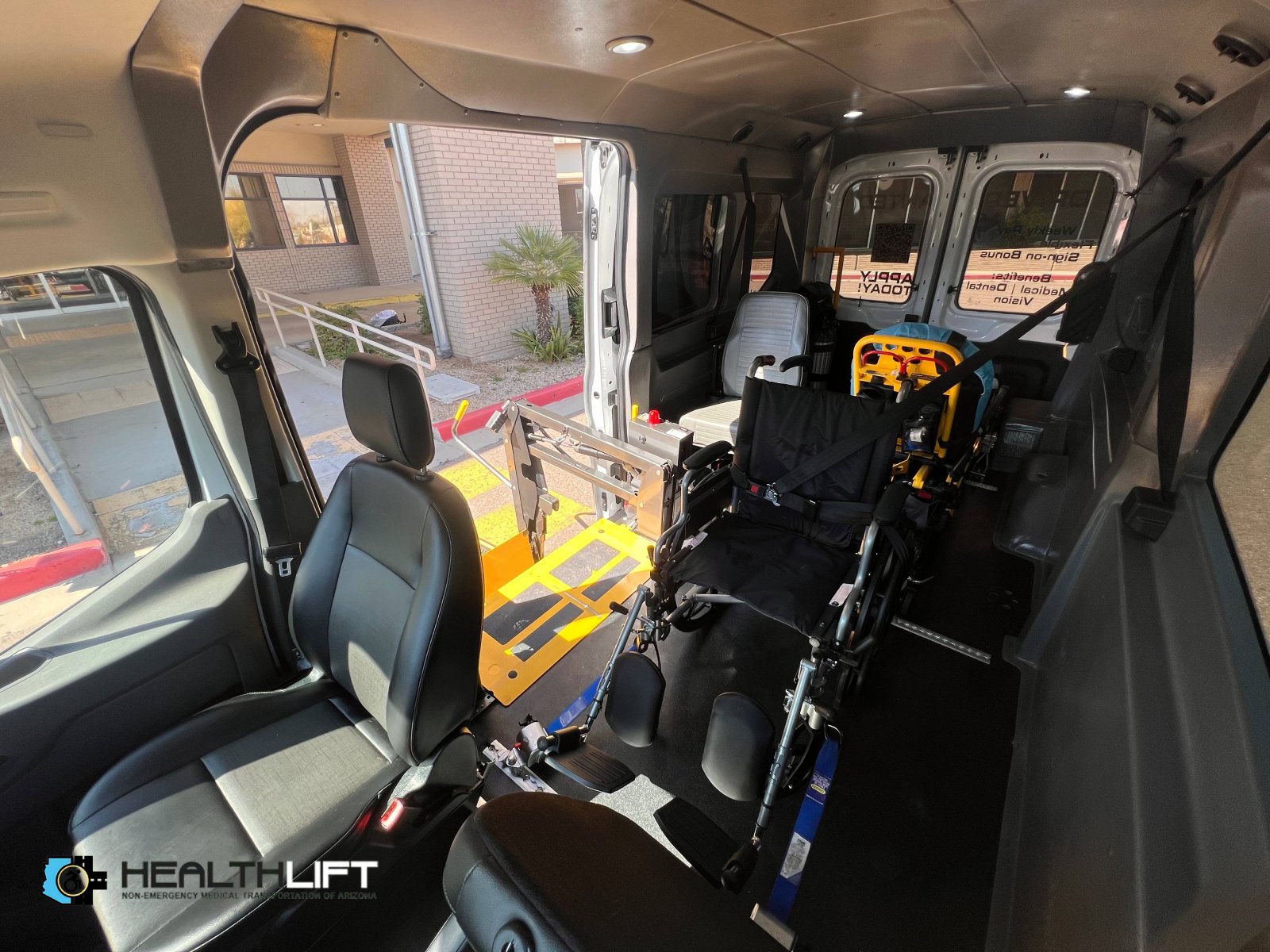
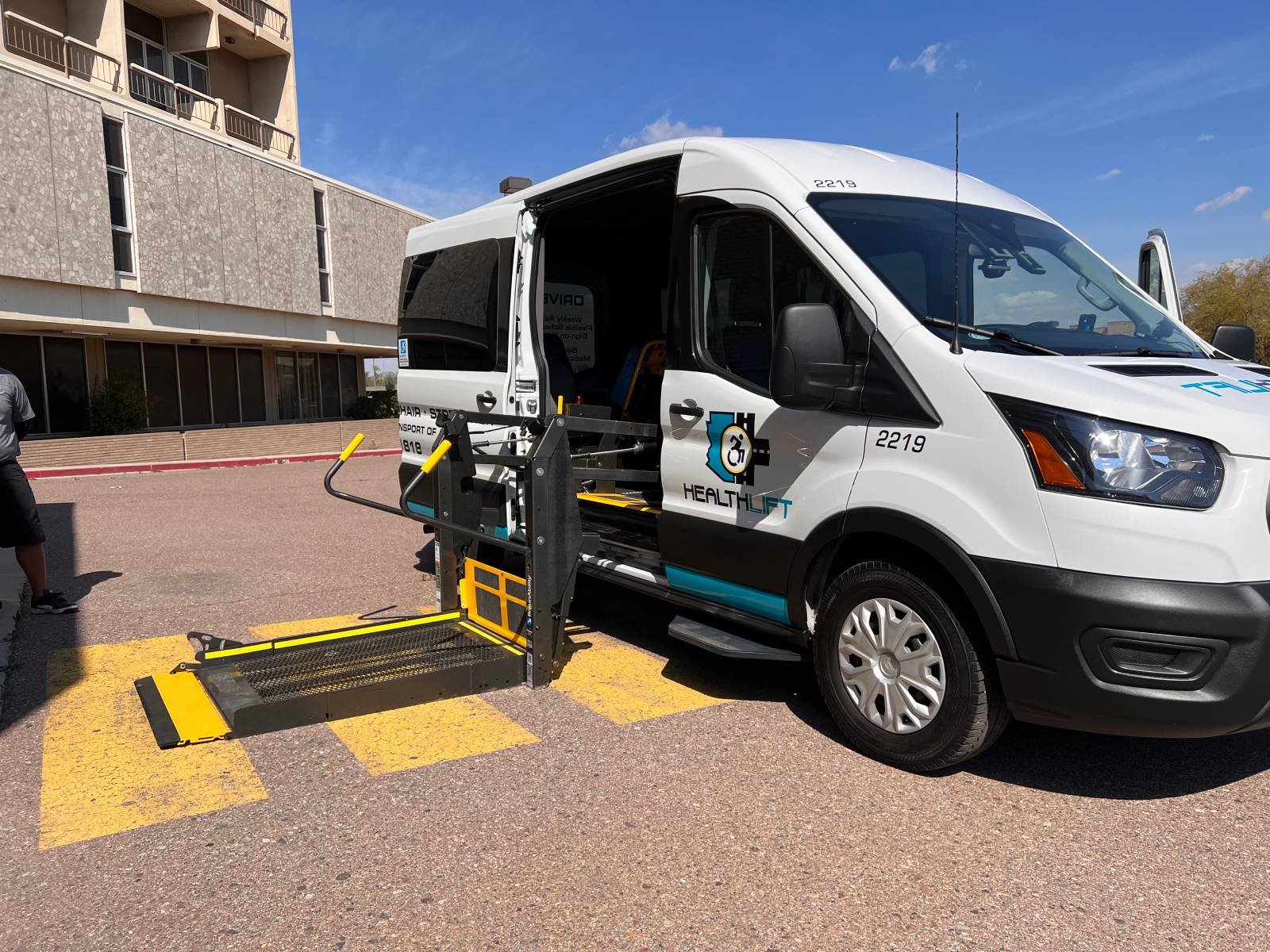
Our ADA-compliant dual-use vans include heavy-duty wheelchair lifts to support safer boarding. They can accommodate various wheelchair types, as well as scooters. For riders who need stretcher or gurney transportation, we use high-quality stretchers designed for comfort and secure transport.
We also understand that some riders need additional support during the trip. Oxygen is available in our vehicles, but it must be administered by a caregiver.
Our drivers also play an important role in the experience. We work with drivers who are:
- Specially trained
- CPR certified
- Defensive driving certified
- Hospice sensitivity certified
- PASS certified Drug-tested
- Background-checked
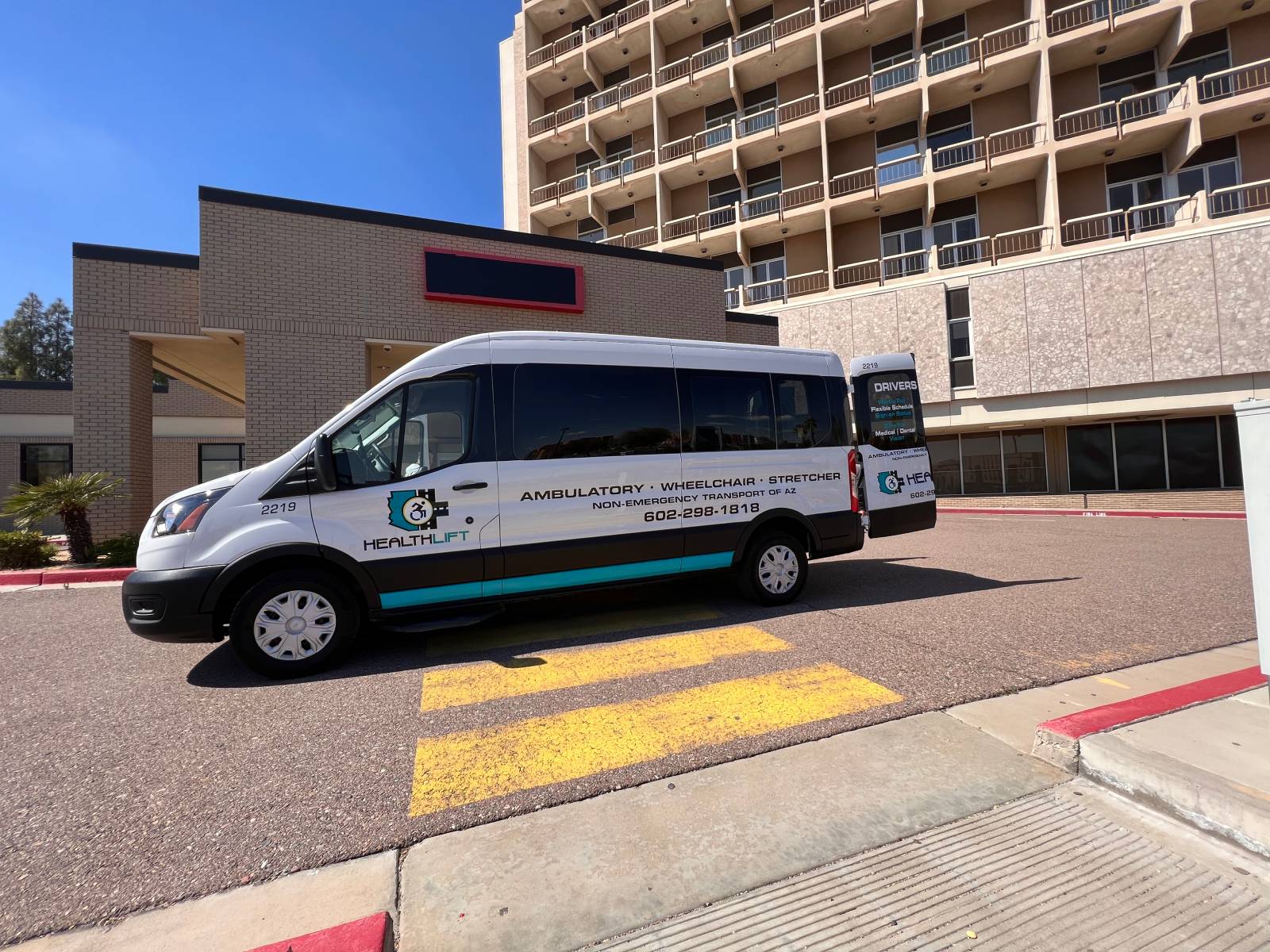
HealthLift is locally owned and operated, and our team brings over 75 years of NEMT experience to the communities we serve.
How to Choose the Right Ride
A good transportation plan starts with the hardest part of the trip. For some riders, that’s walking to the vehicle. For others, it’s sitting comfortably, transferring safely, managing fatigue, or getting home after treatment.
Use this quick checklist before booking:
- What mobility equipment will the rider use that day?
- Can the rider transfer safely, or do they need ramp access?
- Will the appointment likely increase pain or fatigue?
- Is the pickup location easy to access?
- Are there stairs, long hallways, or long distances to walk?
- Does the rider need extra time or careful positioning?
- Is the trip local, out of town, or long distance?
- Will a caregiver need to travel with the rider?
- Does the rider need oxygen administered by a caregiver during the trip?
With the right chronic pain transport, riders can avoid some of the stress that comes from guessing. A prepared transportation team can help make the trip safer, calmer, and more comfortable.
Schedule Accessible Transportation in Phoenix or Tucson
Health conditions don’t have to be visible to be real. For riders with invisible disabilities, the right transportation provider can make the difference between a stressful trip and a more manageable one.
Whether you need a ride to a medical appointment, help after a facility discharge, or long-distance support, our team is ready to help you choose the right option.
Sign up with HealthLift for accessible transportation needs in Phoenix, Tucson, and nearby Arizona communities.