
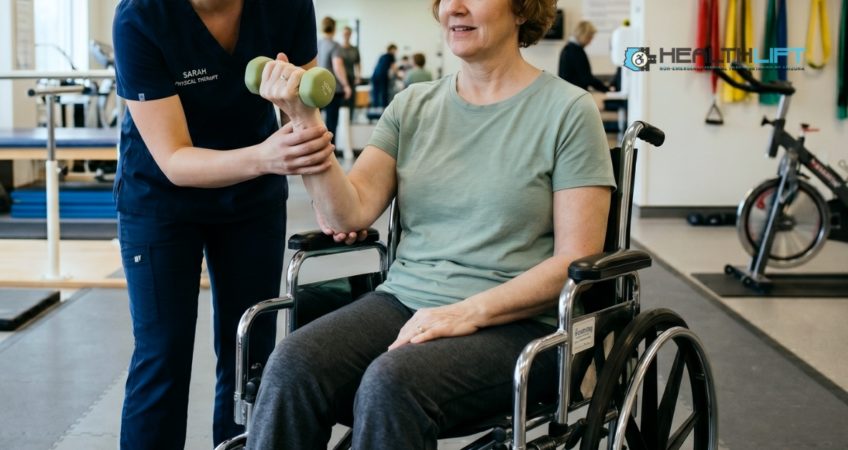
Importance of Disabled Transportation in Stroke Recovery
A stroke can change a person’s life in seconds. After that, everything feels urgent — discharge instructions, therapy schedules, medications, and home safety adjustments. In the middle of it all, one practical question adds pressure:
How will your loved one get to every appointment safely?
When someone can’t get in and out of a standard vehicle without risk, even short trips become complicated. As a result, lifting, steadying, and protecting weakened movement takes energy — and it adds up quickly. Therapy visits may be delayed. Follow-ups may get pushed back.
For that reason, progress depends on consistency. Reliable transportation protects that consistency.
How Does Stroke Affect Mobility?
A stroke affects the brain, and its impact on movement depends on where it happens. In many cases, patients experience:
- Weakness on one side of the body
- Partial or full paralysis
- Poor balance and coordination
- Muscle stiffness
- Ongoing fatigue
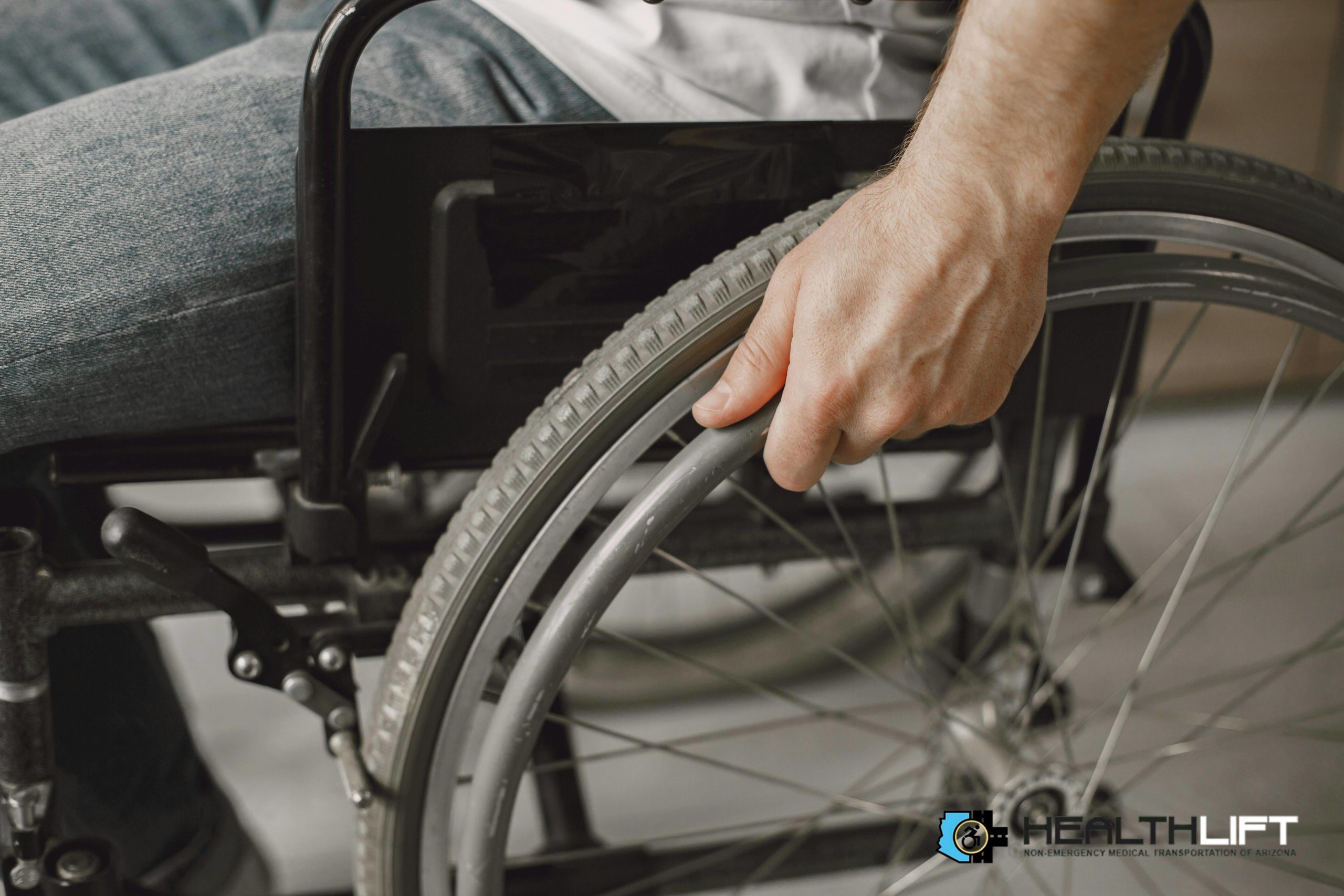
Even when strength improves, mobility challenges often remain. For example, getting into and out of a vehicle can still be unsafe. Turning, stepping down, or shifting weight increases fall risk. In addition, some patients also experience slower processing speed or reduced spatial awareness.
These limitations don’t just affect movement — they directly impact how safely someone can travel. Because of these challenges, wheelchair-friendly transportation is often the safest and most practical option when appointments occur multiple times a week.
Stroke Rehabilitation Centers in Metro Phoenix and Tucson
Access to specialized stroke care is an important part of recovery. In both Metro Phoenix and Tucson, several hospitals and rehabilitation centers offer programs designed to help patients regain mobility, strength, and independence.

Metro Phoenix Stroke Centers
- Barrow Neurological Institute — Offers advanced neuro-rehabilitation programs for stroke and brain injury recovery, including both inpatient and outpatient care.
- Banner Rehabilitation Hospital – Phoenix — Part of a network of inpatient rehab hospitals focused on restoring independence after stroke and other conditions.
- HonorHealth Rehabilitation Hospital — Provides comprehensive rehabilitation services for neurological conditions, including stroke.
Tucson Stroke Centers
- Encompass Health Rehabilitation Institute of Tucson — Inpatient rehabilitation facility focused on helping patients return to independent living after stroke.
- Carondelet St. Mary’s Hospital Rehabilitation — Offers certified stroke rehabilitation programs with multidisciplinary therapy support.
- Oro Valley Hospital — Recognized as a Primary Stroke Center with specialized stroke care teams.
These centers provide a range of services, from early stroke treatment to long-term rehabilitation, helping patients continue progress after hospital discharge.
Why Standard Transportation Isn’t Safe for Stroke Patients
At first glance, using a personal vehicle may seem manageable. However, for many post-stroke patients, standard transportation introduces avoidable risks.
Entering and exiting a car often requires stepping down, turning, and shifting weight. These movements can be difficult or unsafe with one-sided weakness or poor balance. Even with assistance, these transfers can increase the likelihood of falls or strain.
Inside the vehicle, additional challenges remain. Most cars aren’t designed to support limited mobility. Seats may be too low, space may be restricted, and there are no secure systems to stabilize a wheelchair. As a result, patients may need to transfer out of their chair, which adds physical demand and discomfort.
Caregivers also take on significant strain during these trips. Repeated lifting, repositioning, and steadying can lead to fatigue or injury over time — especially when appointments occur several times per week.
Environmental factors in Arizona add another layer of concern. High temperatures can intensify fatigue, while longer travel distances between providers increase physical stress during each trip.
Because of these combined risks, standard transportation often becomes unreliable for ongoing care. What starts as a temporary solution can quickly interfere with consistency, safety, and overall recovery progress. Many families now turn to specialized disabled transportation designed specifically for medical mobility needs.
What Is Disabled Transportation (NEMT)?
Disabled transportation — often referred to as non-emergency medical transportation (NEMT) — is designed for individuals who cannot safely travel in a standard vehicle but do not require emergency medical care.
For post-stroke patients, this type of transport provides the equipment, space, and assistance needed to travel without risking injury or overexertion. Instead of adapting to a vehicle, the vehicle is equipped to support the patient’s condition.
NEMT is commonly used by individuals who:
- Use manual or powered wheelchairs
- Require stretcher positioning during transport
- Need assistance entering or exiting a vehicle
- Cannot safely drive or use rideshare services
Unlike traditional transportation, disabled transportation includes features such as wheelchair-accessible vehicles, secure tie-down systems, and trained personnel who understand mobility limitations. As a result, each trip is structured to reduce fall risk, minimize fatigue, and maintain stability during travel.
For stroke recovery, this level of support plays a direct role in maintaining consistent access to therapy, follow-up care, and ongoing treatment.
HealthLift provides NEMT throughout Metro Phoenix and Tucson for post-stroke patients whose mobility needs exceed what standard transportation can safely manage. In other words, this isn’t simply a ride. It’s structured medical mobility support that protects therapy attendance, hospital discharge transitions, specialist follow-ups, and long-distance care coordination.
Why Disabled Transportation Matters After a Stroke
Even with the right transportation in place, consistency remains one of the most important factors in stroke recovery.
Over time, therapy rebuilds strength and retrains movement. However, missed sessions interrupt progress. When transportation breaks down, recovery timelines extend.
Dedicated disabled transportation eliminates that weak link. Instead, families don’t have to improvise transfers or rely on unsafe alternatives. Safe rides are established as part of the care plan.
In Arizona, long distances between providers and extreme summer heat add real physical risk. Under those circumstances, a properly coordinated transportation plan prevents unnecessary strain and keeps treatment moving forward.
That level of preparation is essential — not optional.
How to Safely Transport a Stroke Patient (and What to Look for in a Provider)
Once the right type of transportation is in place, safe travel still depends on how each trip is handled.
In many cases, proper transportation includes:
- Wheelchair-accessible vehicles when transfers are unsafe or not recommended
- Secure tie-down systems that stabilize mobility equipment during travel
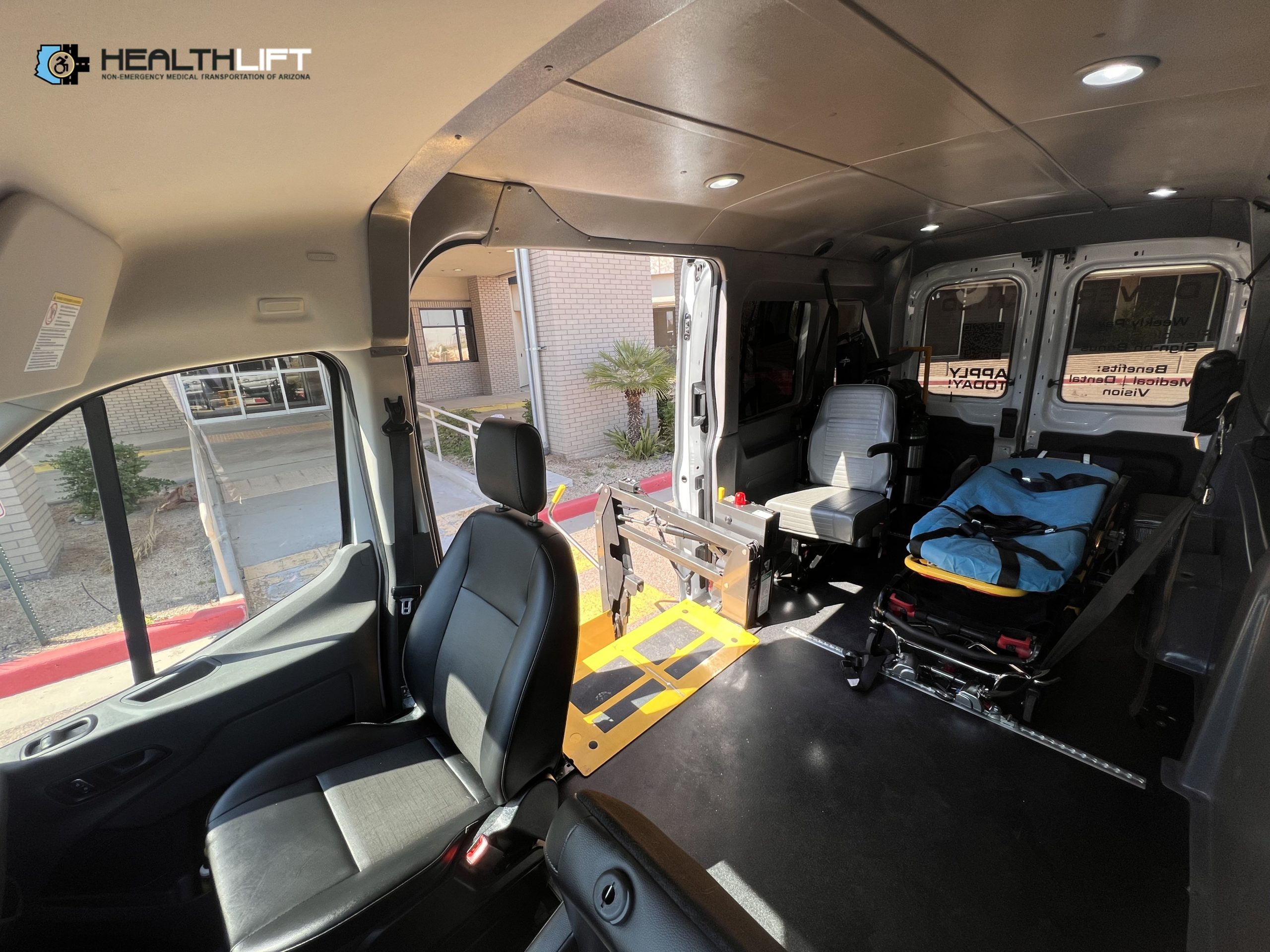
- Entry and exit processes that avoid rushing or sudden movement
- Interior space that allows for proper positioning and reduced physical strain
- Scheduling that accounts for fatigue and avoids overexertion
Without these elements, even routine trips can introduce unnecessary risk. Repeated transfers, unstable seating, or rushed loading can increase the likelihood of falls, discomfort, or setbacks in recovery.
Choosing the right provider is just as important as the equipment itself. Not all transportation services are designed for post-stroke care, so families should look for:
- Personnel trained in mobility assistance and safe patient handling
- Vehicles equipped specifically for accommodating wheelchairs or stretchers
- Clear options for recurring scheduling aligned with therapy plans
- Experience coordinating with medical providers and care teams
- Consistent processes that prioritize safety at every stage of the trip
When these factors are in place, transportation becomes a reliable part of the care plan rather than a source of uncertainty. Each trip is structured to support stability, conserve energy, and maintain access to ongoing treatment.
How Disabled Transportation Supports Caregivers After a Stroke
Transportation challenges often fall heavily on caregivers, especially when repeated lifting and coordination are required. Oftentimes, caregiving includes:
- Encouraging therapy participation
- Reducing fall risks at home
- Monitoring fatigue levels
- Offering reassurance
- Maintaining stable routines

Reliable transportation supports all of it. Thus, a well-coordinated non-emergency ride solution removes one of the most physically demanding responsibilities from a caregiver’s routine.
Reducing that strain protects not only the patient’s progress, but the caregiver’s well-being as well.
Transportation Options for Post-Stroke Patients in Arizona
Disabled transportation for stroke patients isn’t one-size-fits-all. Mobility needs, equipment, and travel distance can vary significantly.
At HealthLift, transportation is arranged according to mobility level, equipment specifications, and travel distance — so you aren’t adjusting plans at the curb.
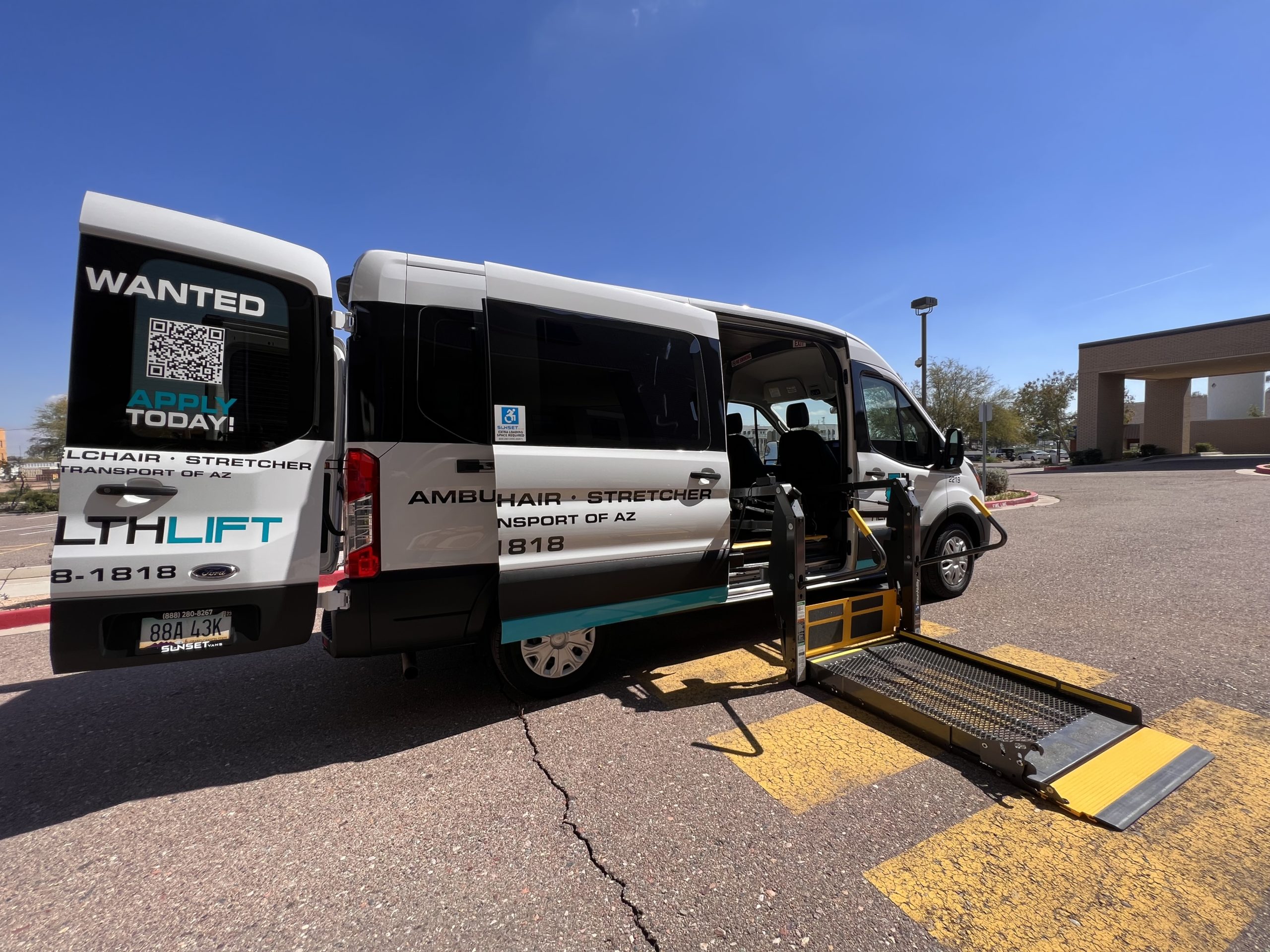
Mobility support includes:
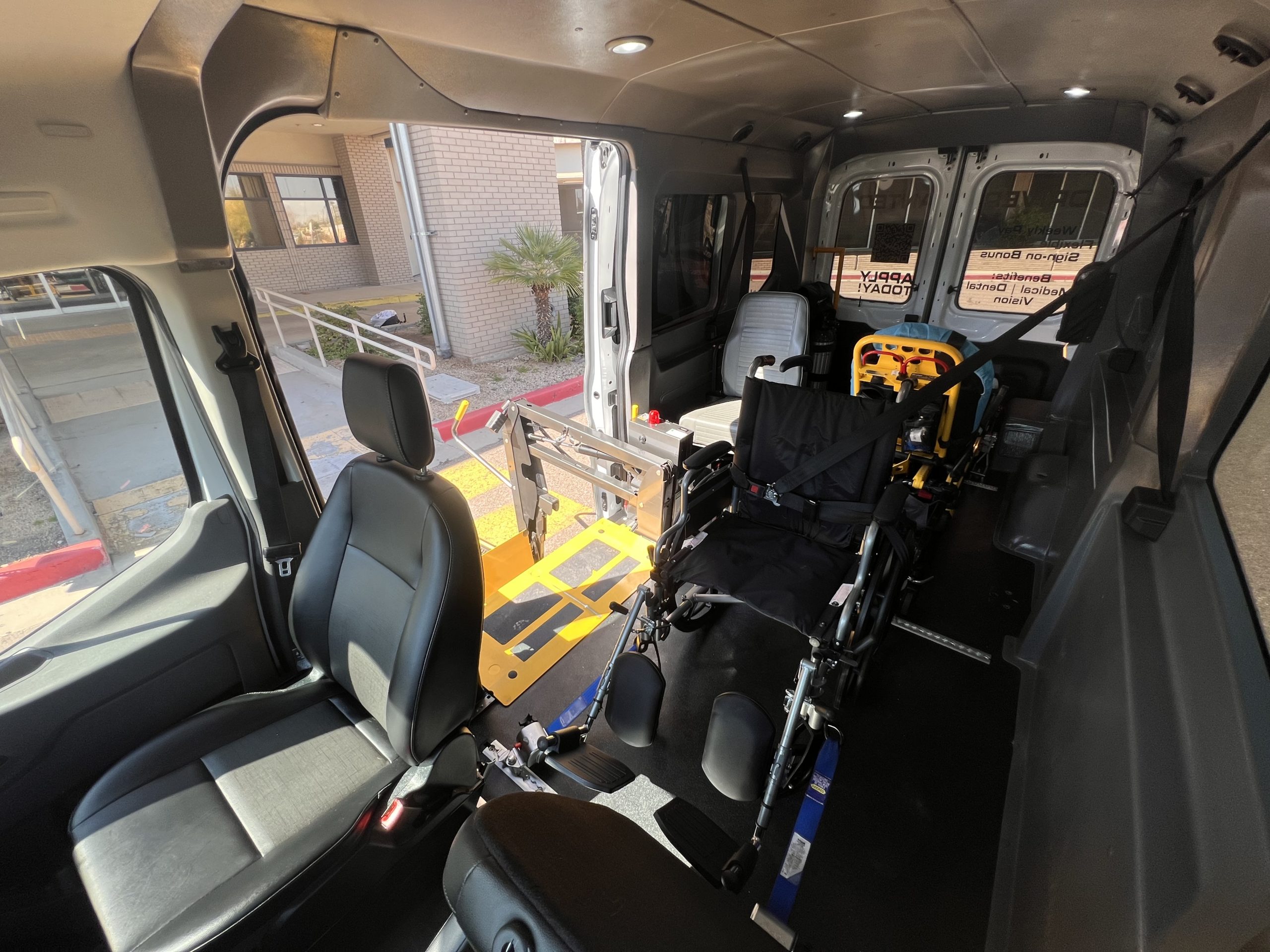
- Wheelchair-friendly vehicles with heavy-duty hoists and secure tie-down systems
- Accommodation for standard, electric, oversized, and bariatric wheelchairs
- Stretcher transport when seated positioning isn’t appropriate
- Wheelchairs or stretchers available when needed
Equipment details are confirmed during scheduling, not at pickup.
Travel may include:
- Appointments throughout Phoenix and Tucson
- Extended regional transport
- Out-of-state coordination when medically appropriate
- Supervised ground transport for patients who can’t fly
Ultimately, distance should never interrupt necessary care.
Coordinating Therapy and Medical Appointments
After discharge, therapy often occurs multiple times per week. Neurology visits, cardiology appointments, and imaging follow-ups follow close behind.
Without dependable transport, coordination with providers and scheduling structure becomes difficult. Structured rehab transport allows families to establish recurring rides aligned with therapy calendars rather than arranging last-minute solutions.
Safety and Clinical Readiness
When someone you love is medically vulnerable, preparation must be deliberate.
HealthLift coordinates ADA-compliant vehicles designed for safe mobility transport. Oxygen is provided but must be administered by a caregiver.
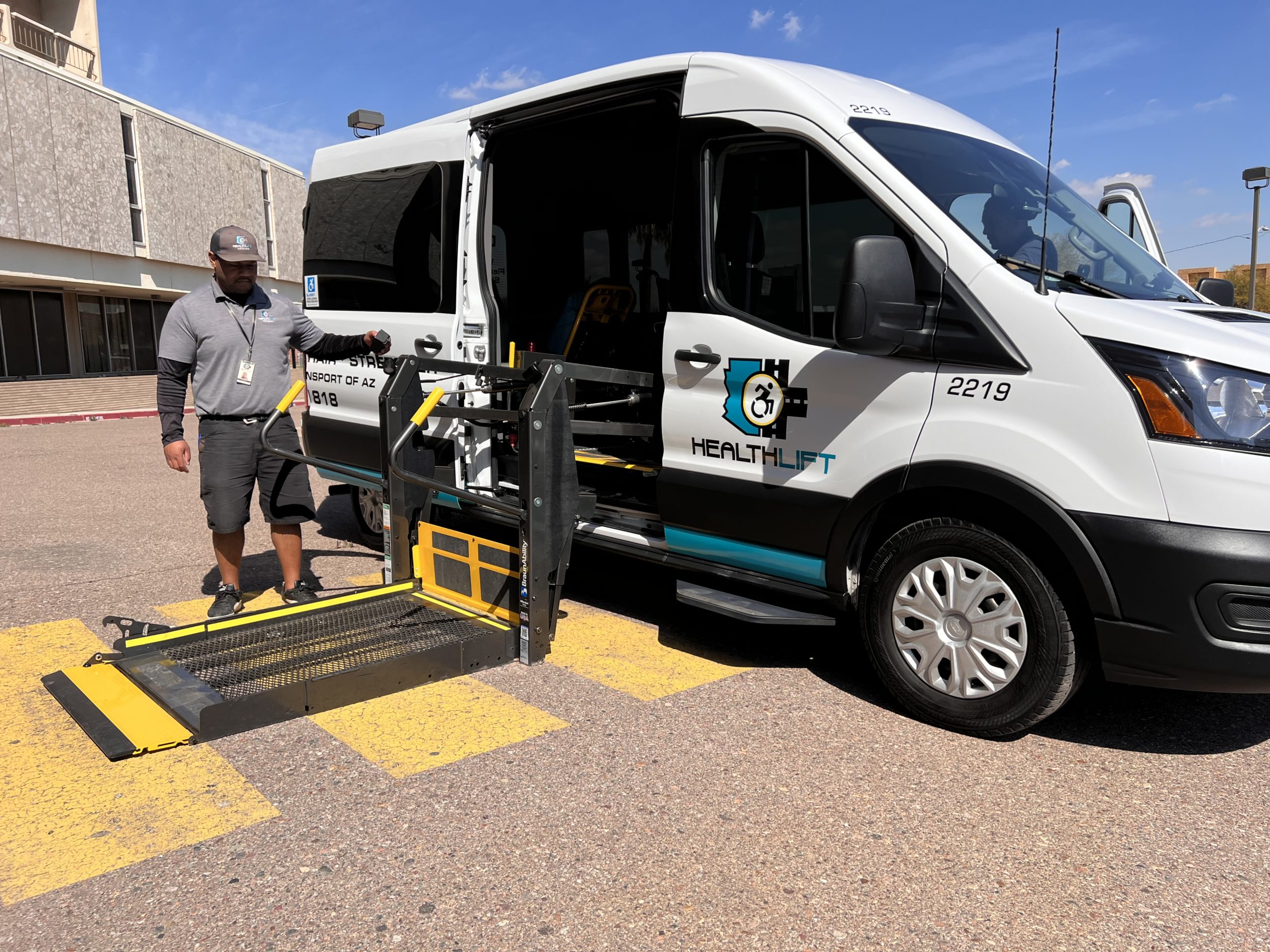
We work with drivers who complete required certifications in:
- CPR
- Defensive driving
- Hospice sensitivity
- PASS protocols
- Safety screening standards
Drivers partnered through our coordination process are drug-tested and background-checked as well. As a result, the process remains consistent, documented, and accountable — so you don’t have to second-guess the ride.
HealthLift NEMT of AZ: Supporting Safe Travel Throughout Recovery
Serving patients and families across Metro Phoenix and Tucson, HealthLift provides safe and reliable NEMT for post-stroke patients who use wheelchairs.
Transportation is positioned around therapy schedules, follow-up visits, and care plans, so travel doesn’t interrupt progress. Whether your loved one requires seated support, stretcher positioning, or extended ground travel, the appropriate level of transport is confirmed before each trip.
Sign up with HealthLift today to establish transportation before your next appointment is at risk. Consistent care requires consistent travel. Let us secure the ride so you can focus fully on recovery.