For a person still dealing with mobility, positioning, cognitive, or communication changes, getting to that ongoing care can require more planning than a standard car ride.
October
06
2026


For a person still dealing with mobility, positioning, cognitive, or communication changes, getting to that ongoing care can require more planning than a standard car ride.

Regular dialysis appointments already require time and planning. Transportation should feel manageable, not like another uncertainty to work through.

Getting home after surgery can require a different setup than getting to the hospital. A rider may need to remain in a wheelchair, travel reclined, avoid a difficult transfer, or bring mobility equipment that does not fit in a standard vehicle.

Cancer treatment can involve frequent appointments, while fatigue, mobility changes, or difficulty transferring into a standard vehicle can make each trip harder to manage.
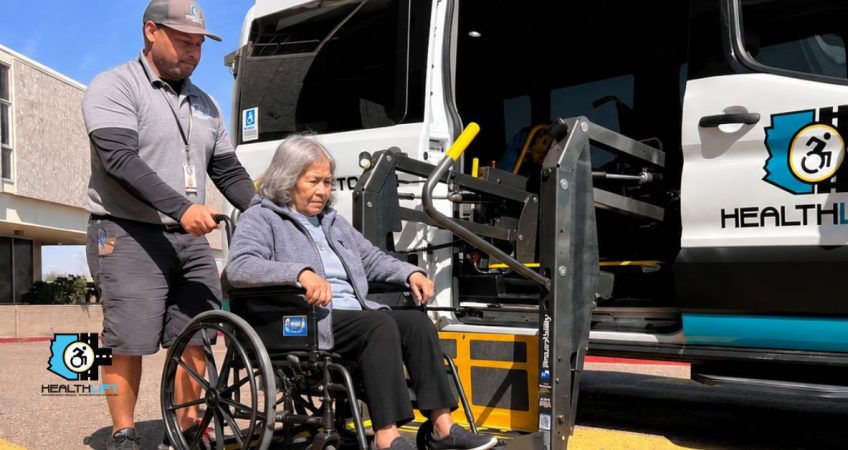
When a senior lives with Alzheimer’s or another form of dementia, getting to a medical appointment can take extra planning. Mobility needs, unfamiliar surroundings, and changes to routine can all shape the trip.
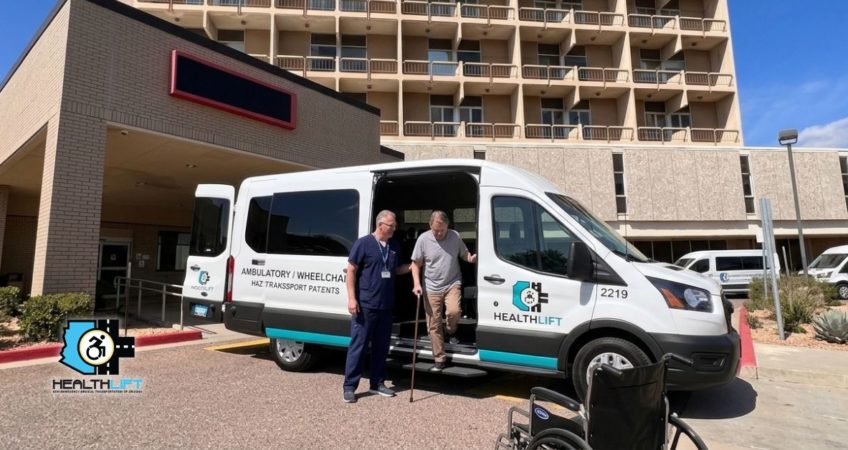
After a stroke, even a simple appointment can take more planning than it used to. A patient may need a wheelchair, extra time to board, or a ride that avoids difficult transfers in and out of a regular car.

As the condition progresses, wheelchair transfers, caregiver support, plus the Arizona heat can make standard cars or rideshare services less practical for advanced MS patients.
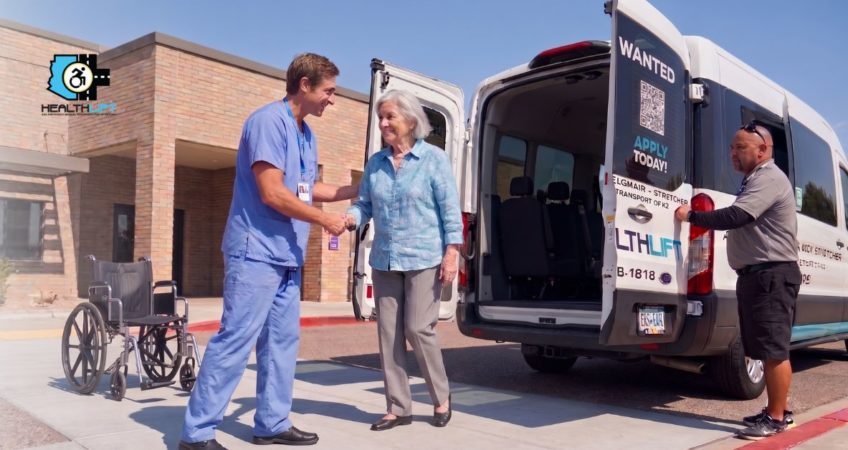
That’s why non-emergency medical transportation matters. The right ride does more than move a person from one address to another. It helps protect comfort, reduce stress, and make important appointments easier to manage.
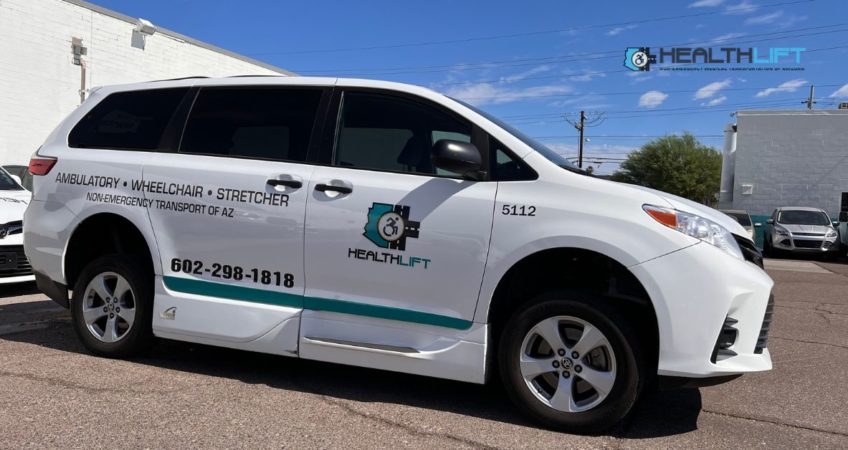
Steady progress during accident recovery usually depends on a strict schedule of doctor visits and therapy sessions. Most families soon discover that getting to these appointments is the hardest part of the day.

For those who rely on frequent treatments, transportation services for dialysis patients play a vital role in staying on schedule and avoiding unnecessary stress. That said, HealthLift steps up, helping individuals get to their care plan on time.