After a stroke, even a simple appointment can take more planning than it used to. A patient may need a wheelchair, extra time to board, or a ride that avoids difficult transfers in and out of a regular car.
June
10
2026
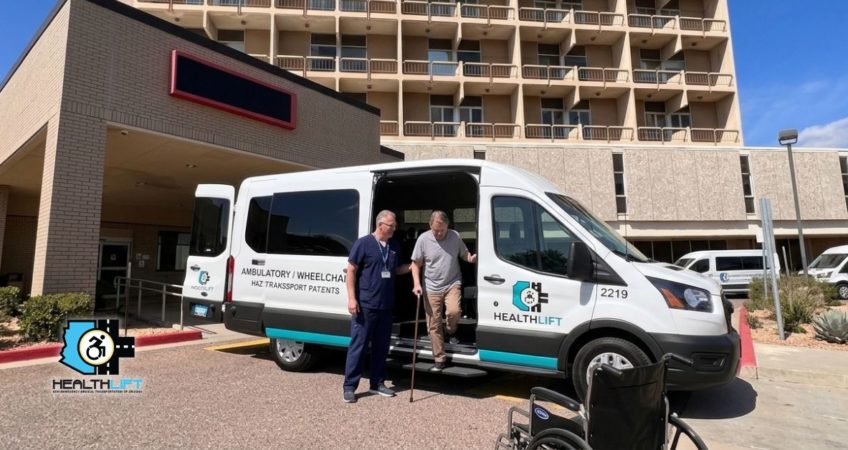

After a stroke, even a simple appointment can take more planning than it used to. A patient may need a wheelchair, extra time to board, or a ride that avoids difficult transfers in and out of a regular car.
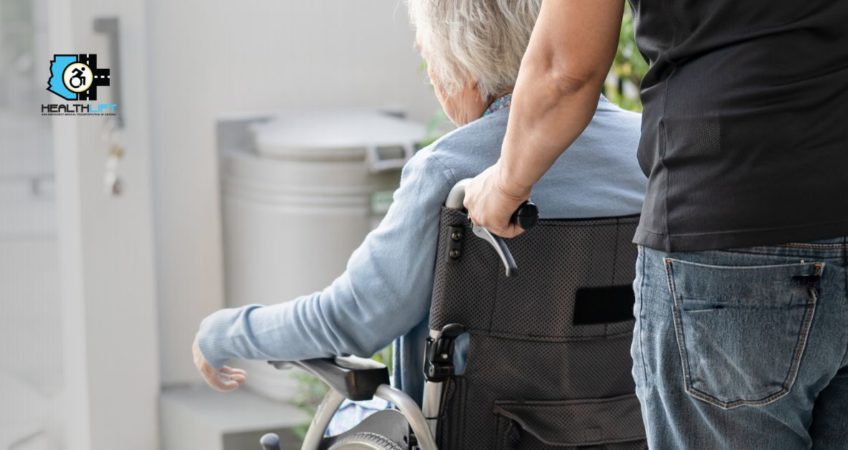
As the condition progresses, wheelchair transfers, caregiver support, plus the Arizona heat can make standard cars or rideshare services less practical for advanced MS patients.
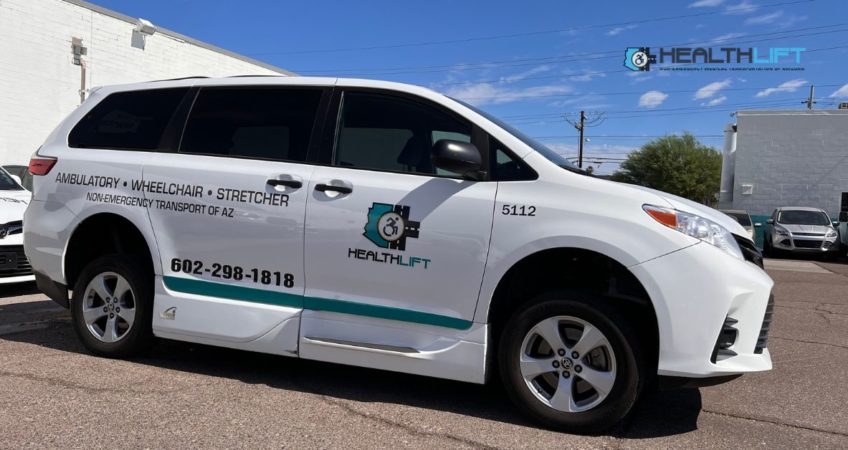
Steady progress during accident recovery usually depends on a strict schedule of doctor visits and therapy sessions. Most families soon discover that getting to these appointments is the hardest part of the day.
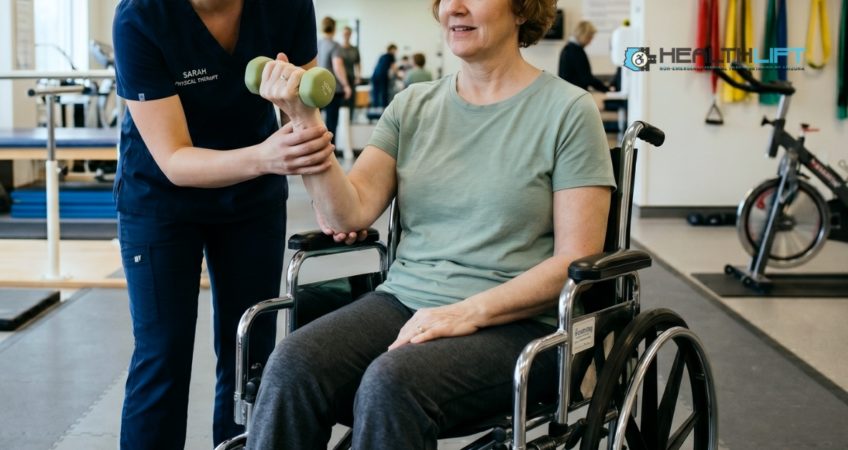
What starts as a temporary solution can quickly interfere with consistency, safety, and overall recovery progress. Many families now turn to specialized disabled transportation designed specifically for medical mobility needs.
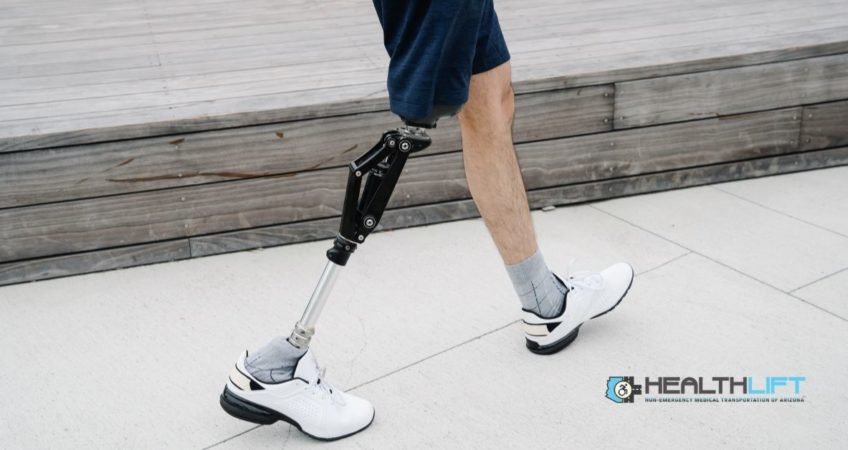
Across Metro Phoenix and Metro Tucson, safe and reliable amputee transport can make the difference between steady progress and missed appointments. For this reason, choosing the right provider matters.

Living with Parkinson’s disease or severe arthritis makes everyday travel difficult for seniors.

Transporting a loved one with ALS or MS requires careful planning. In fact, a routine medical visit often demands the logistical precision of a major operation.
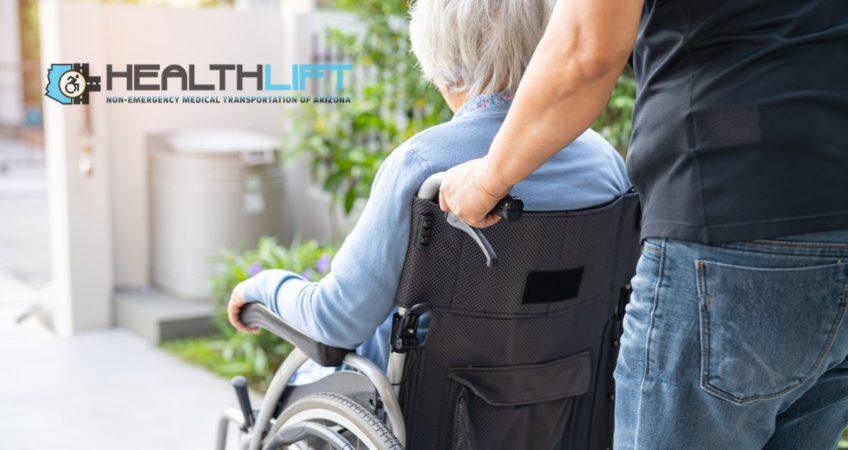
That’s why more families across Tucson and surrounding neighborhoods choose HealthLift for wheelchair accessible non-medical medical transportation — because every ride should be dignified, safe, and supportive.

NEMT is a pre-scheduled, professional ride service for people who need help getting to healthcare — but don’t need an ambulance.

HealthLift NEMT of AZ is committed to helping disabled Arizona students and their families navigate the school year with dependable, safe, and comfortable transportation options.