

Life after paralysis complicates travel to unimaginable levels. A medical appointment, rehab visit, or ride across town now involves mobility equipment, transfer concerns, and a caregiver. However, a smooth journey also depends on the missing piece: dependable transportation.
At HealthLift, we provide ADA-compliant vans for spinal cord injury patients in Arizona. We help paraplegic and quadriplegic individuals and their families and caregivers plan safer, more comfortable rides in Phoenix, Tucson, and beyond.
With the right transportation support, loved ones can spend less worrying about the ride and more energy focusing on the next step.
“Spinal Cord Injury (SCI) is a complex neurological condition that causes physical dependence, psychological stress, morbidity, and economic charge.”
What Transportation Challenges Do Spinal Cord Injury Patients Face
Care for a patient with a spinal cord injury often needs mobility support. So, the ride itself has to fit with the person, equipment, and reason for the trip. Paraplegic and quadriplegic individuals usually run into these challenges before, during, and after travel:
- Cramped vehicle space: A small vehicle may not fit the wheelchair, mobility equipment, and other items the rider needs.
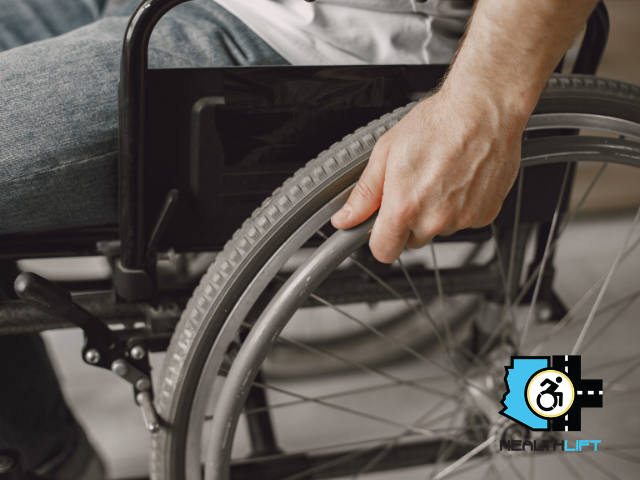
- Insufficient securement: The ride needs proper wheelchair securement to support the individual’s safety and comfort.
- No driver, no car: Not every household has the right vehicle or a family driver available for appointments.
- Caregiver burden: Caregivers often strain their bodies when they help a loved one move in and out of a vehicle.
- Everyone is busy: Work schedules, family responsibilities, and full therapy calendars can keep families from making every appointment work.
Together, these pain points can affect important medical visits. But with a reliable transportation provider, families can plan ahead and help loved ones travel with care and compassion.
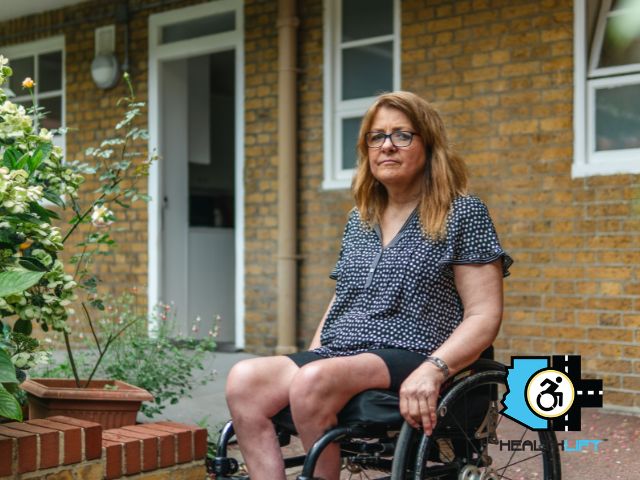
What Type of Transportation Do Paraplegic and Quadriplegic Patients Need
Families looking for the right ride need a provider that works around the person, not the other way around. That means the team and the fleet fit the rider’s mobility needs, current equipment, comfort level, and reason for travel.
Non-emergency medical transportation or NEMT helps individuals with limited mobility get to medical centers and other important care destinations. It can also support leisure trips, such as visiting relatives, seeing friends, or getting across town.
Wheelchair-friendly rides help individuals who can sit upright travel with the right vehicle access and securement. Meanwhile, stretcher or gurney transportation works best for riders who need to lie down during the trip. Bariatric support gives larger riders the space and equipment they need for more comfort.
In Arizona, having these options through one dependable provider can make year-round planning easier for families and patients. Loved ones can choose transportation that matches the trip, equipment, and person being cared for.
How NEMT Helps Families and Patients with Spinal Cord Injury
Reliable NEMT helps Phoenix and Tucson families plan rides based on the person’s real mobility needs. Rather than forcing a loved one into a small car, the right vehicle features the space, equipment, and support needed for the trip.
Here’s how dependable NEMT assists families in facing challenges:
- More vehicle space: Wheelchair-accessible vans give riders the space for mobility equipment and personal items they need.
- Proper securement: A ride built for safe travels includes securement that supports the individual’s safety and comfort from pickup to drop-off.
- Dependable ride option: NEMT gives families another way to get loved ones to rehab facilities, follow-up appointments, and other important destinations.
- Less caregiver strain: With trained drivers, families don’t have to handle moving a patient with spinal cord injury on their own.
- Easier schedule planning: Reliable rides can make physical therapy and spinal cord injury medical visits easier to plan because transportation becomes part of the schedule.
- Smoother discharge planning: With the right provider, discharge planning for patients with spinal cord injury can move smoothly because the ride fits the person, equipment, destination, and timing.
At HealthLift, our NEMT fleet gives families more room to breathe. When transportation works around the needs of patients and their families, they can focus on getting care and recovery.
HealthLift: Supporting Spinal Cord Injury Rehabilitation Across Arizona
HealthLift supports individuals through life after paralysis with ADA-compliant transportation in Phoenix, Tucson, and across Arizona. Whether your trip involves a hospital discharge or medical care, we help riders and caregivers get safe and easy-to-manage rides.
We provide NEMT services built around different mobility needs:
- Wheelchair-accessible transportation: Our NEMT uses heavy-duty lifts and proper securement to support riders who travel in a wheelchair. We accommodate standard, bariatric, and electric wheelchairs, so individuals can ride with the equipment they depend on every day.
- Stretcher transportation: Some riders need to lie down during the trip. With industry-grade gurneys, we support non-emergency rides when sitting upright isn’t the best option.
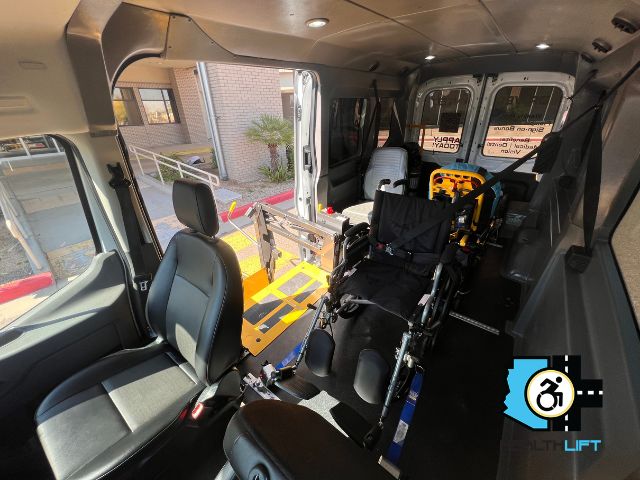
- Bariatric transportation: Larger wheelchairs and mobility equipment need more space and stronger support. We accommodate wheelchairs up to 34 inches wide, along with heavy-duty hoists designed for safer loading and travel.
- Long-distance transportation: When a specialist visit, therapy plan, or care destination requires you to leave Arizona, we give riders another option when flying isn’t practical.
- 24/7 ride availability: Transportation needs don’t always fit neatly into business hours. We operate 24/7 to help passengers and families coordinate trips when they need support.
At HealthLift, our vetted drivers are specially trained, drug-tested, and background-checked. They’re also certified in hospice sensitivity, CPR, defensive driving, and PASS, so every ride receives thoughtful support from pickup to drop-off.
As a locally owned NEMT provider, our goal is simple: help individuals with spinal cord injuries and their loved ones move through each trip with more comfort, confidence, and compassion.
Medical Centers Spinal Cord Injury Patients May Travel To in Phoenix and Tucson
Along with hospital visits, activities for spinal cord injury patients may include rehab and physical therapy that support mobility, strength, comfort, and daily life. Below are some Phoenix and Tucson destinations that may offer these types of care, programs, or services.
Booking Your HealthLift Ride
Before booking, it helps to know:
- Does the passenger need a wheelchair or stretcher?
- Is the wheelchair manual, motorized, oversized, or bariatric?
- Are there stairs at pickup or drop-off?
- Is oxygen needed during the ride?
- Will a caregiver, nurse, or family member ride along?
- Is the trip one-way or round trip?
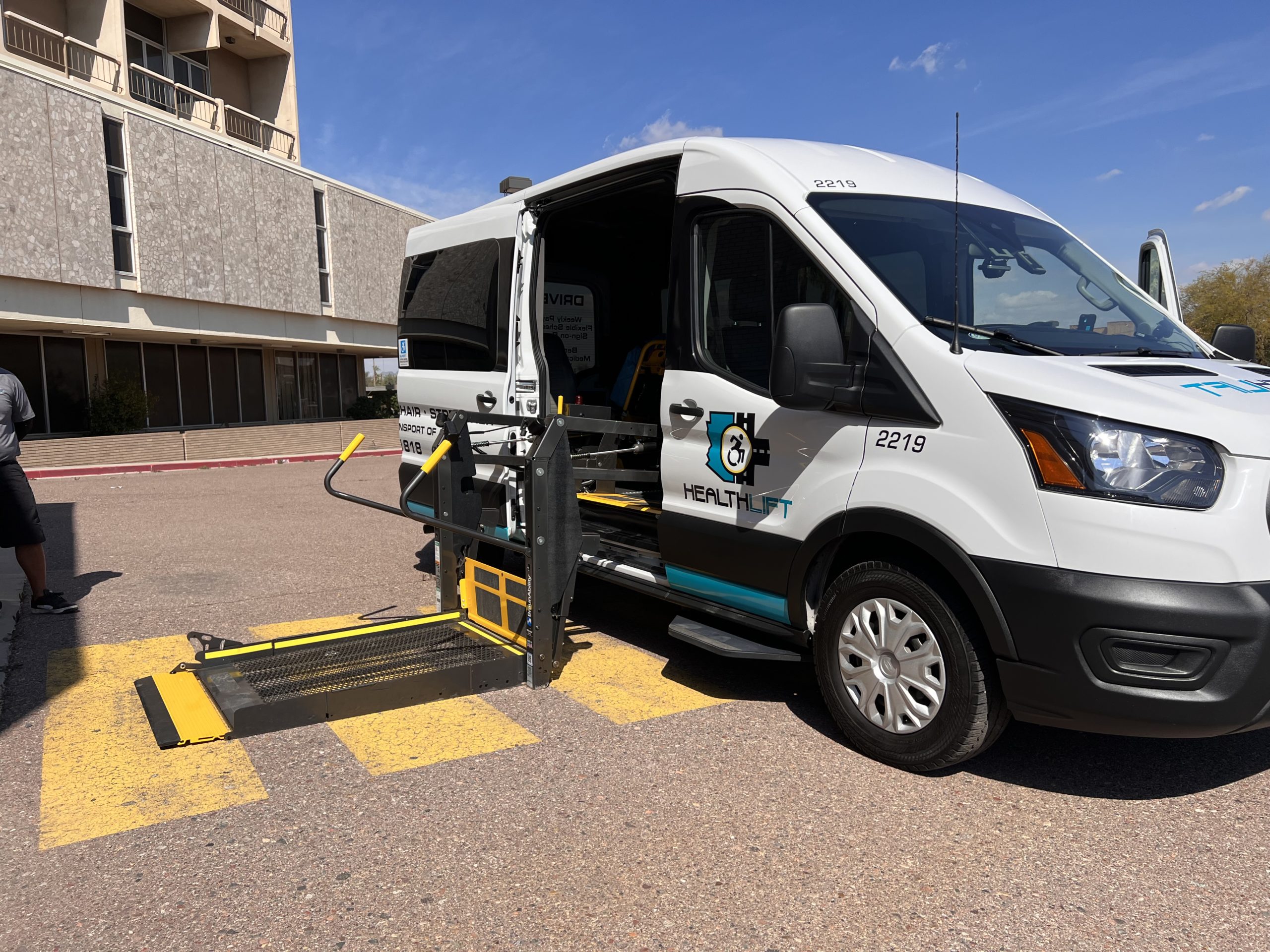
For an NEMT arrangement, you can book by phone or online with a free HealthLift account. We can also provide a free quote upon request.
Life After Paralysis Starts With Easier Transportation
New routines, new questions, and new planning can affect the whole family after a spinal cord injury. But the next ride doesn’t have to add more stress. With the right accessible transportation, individuals with spinal cord injuries can travel with the support they need, while caregivers can feel more prepared for appointments and everyday trips across Arizona.
Sign up with HealthLift and make the next ride planned for you, your family, and your care team.
FAQs About Life After Paralysis Transportation
What should families look for in the best spinal cord injury rehabilitation support?
The best spinal cord injury rehabilitation support often depends on the person’s injury level, mobility needs, therapy plan, and care team. From a transportation standpoint, families should also think about how their loved one will get to rehab visits, follow-up appointments, physical therapy, and other care destinations safely and on time.
How does discharge planning for a patient with spinal cord injury include transportation?
Discharge planning for a patient with spinal cord injury should include the right transportation before the person leaves the hospital, rehab center, or care facility. Families and case managers may need to plan for wheelchair access, stretcher needs, bariatric support, caregiver travel, oxygen, stairs, and the distance from the facility to home.
Why does transportation matter when choosing a spinal cord injury rehabilitation center?
A spinal cord injury rehabilitation center may become part of a person’s routine for inpatient care, outpatient therapy, or follow-up visits. Reliable transportation helps families plan those trips with less stress, especially when the rider needs wheelchair access, stretcher support, bariatric equipment, or long-distance travel across Arizona.
Can NEMT support adaptive equipment for spinal cord injury patients?
Yes. NEMT can support riders who travel with adaptive equipment for spinal cord injury patients, including manual wheelchairs, power wheelchairs, bariatric wheelchairs, stretchers, and other mobility needs. The key is to share equipment details before booking so the transportation provider can match the vehicle and support to the trip.
How can NEMT help with physical therapy for spinal cord injury patients?
NEMT can help with physical therapy for spinal cord injury patients by making transportation part of the care schedule. When families have a dependable ride option, they can plan therapy visits, follow-up care, and recurring appointments without relying only on family vehicles, caregiver availability, or last-minute transportation.