
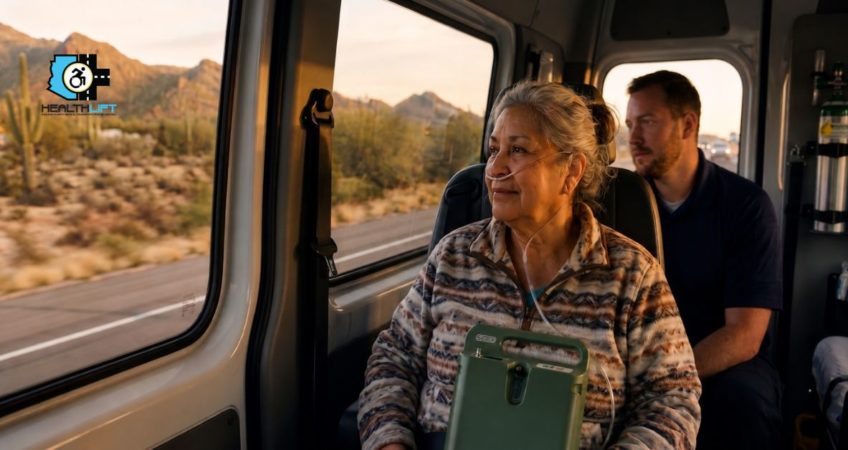
Advanced COPD can make even a short trip difficult. Walking to a vehicle, getting into a low seat, carrying oxygen equipment, or crossing a large medical campus may require more energy than a person has available.
HealthLift provides planned COPD transportation in Arizona for passengers who use supplemental oxygen, wheelchairs, stretchers, or other mobility equipment. We serve Phoenix, Tucson, nearby communities, and long-distance destinations. When we provide oxygen, a caregiver or nurse must administer it.
This guide explains how COPD may affect travel, which transportation option may fit the passenger’s needs, and what we’ll need to know before the ride.
How Transportation Needs Change in the Advanced Stages of COPD
Chronic obstructive pulmonary disease, or COPD, is a group of progressive lung conditions that restrict airflow and make breathing harder. Emphysema and chronic bronchitis are two common forms.
Nearly 16 million U.S. adults have COPD, and many more may have the condition without knowing it. Common COPD symptoms include ongoing coughing, wheezing, excess mucus, trouble taking a deep breath, and shortness of breath during everyday activities.
As the condition progresses, some people have trouble walking, climbing stairs, cooking, or completing other tasks. These limits can also affect how they travel to medical appointments and other destinations. Transportation needs for COPD patients may include:
- Space for a wheelchair or oxygen equipment
- Help entering and leaving an accessible vehicle
- Fewer transfers between a mobility device and a vehicle seat
- Stretcher positioning for someone who can’t remain seated
- A caregiver or nurse who can assist with oxygen
- Careful scheduling to reduce long walks or outdoor waiting
Ride planning should focus on the passenger’s mobility, equipment, positioning, and trip length rather than the diagnosis alone.

Choosing the Right HealthLift Transportation Option
Non-emergency medical transportation (NEMT) helps patients, older adults, and people with disabilities reach appointments and other destinations when a standard vehicle doesn’t meet their mobility or positioning needs.
HealthLift coordinates wheelchair, stretcher, bariatric, and long-distance rides using spacious vehicles and equipment selected for the passenger’s needs.
Wheelchair Transportation Helps Reduce Difficult Transfers
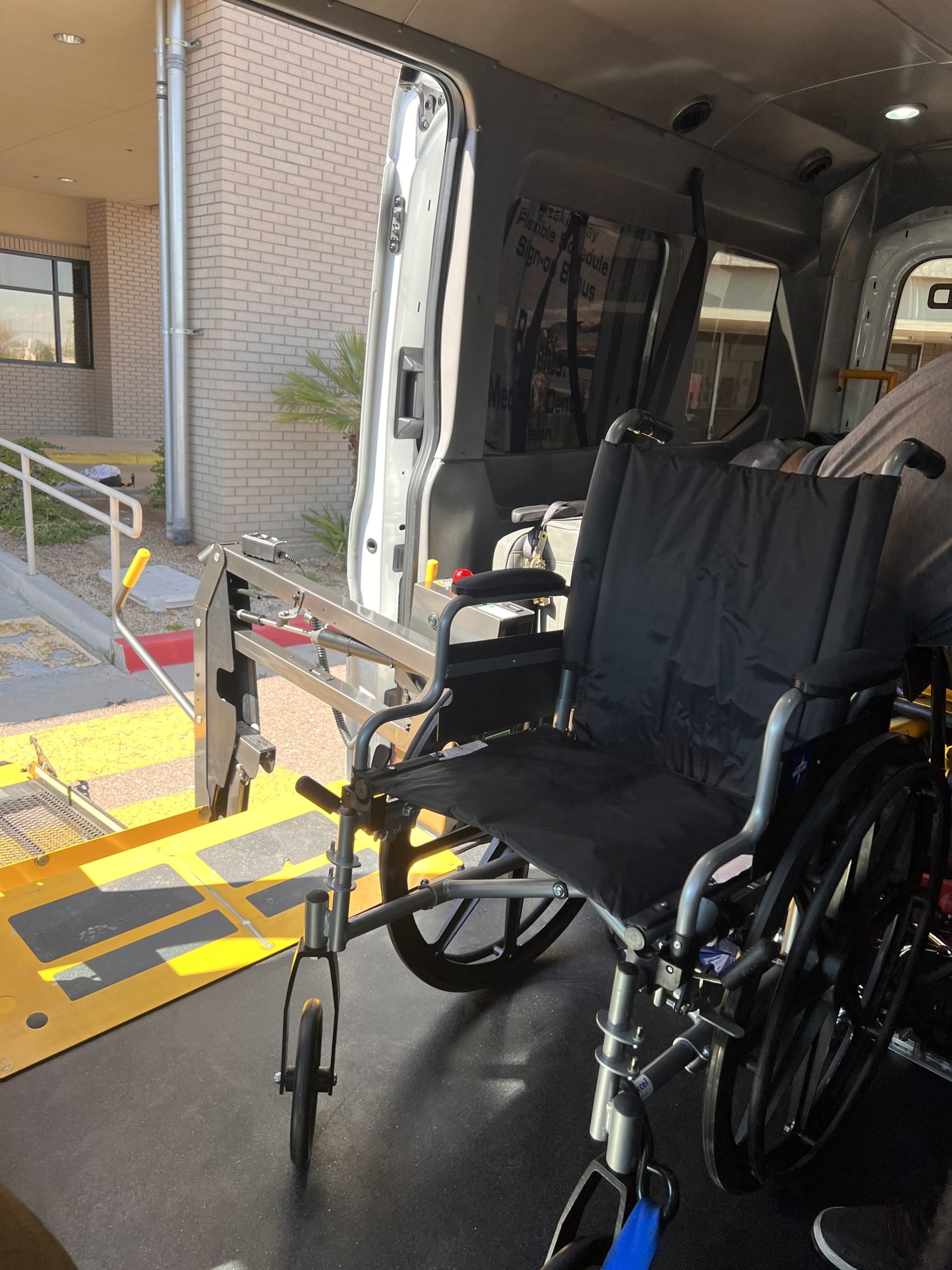
Wheelchair Transportation removes the need to step into a standard car or lower into a passenger seat. For someone who becomes short of breath during transfers, remaining in a wheelchair can reduce exertion before and after the trip.
We use heavy-duty lifts to bring passengers aboard in standard, oversized, bariatric, or electric wheelchairs. Once inside, we secure each one so passengers can remain seated throughout the ride.
Stretcher Transportation Supports Reclined Travel
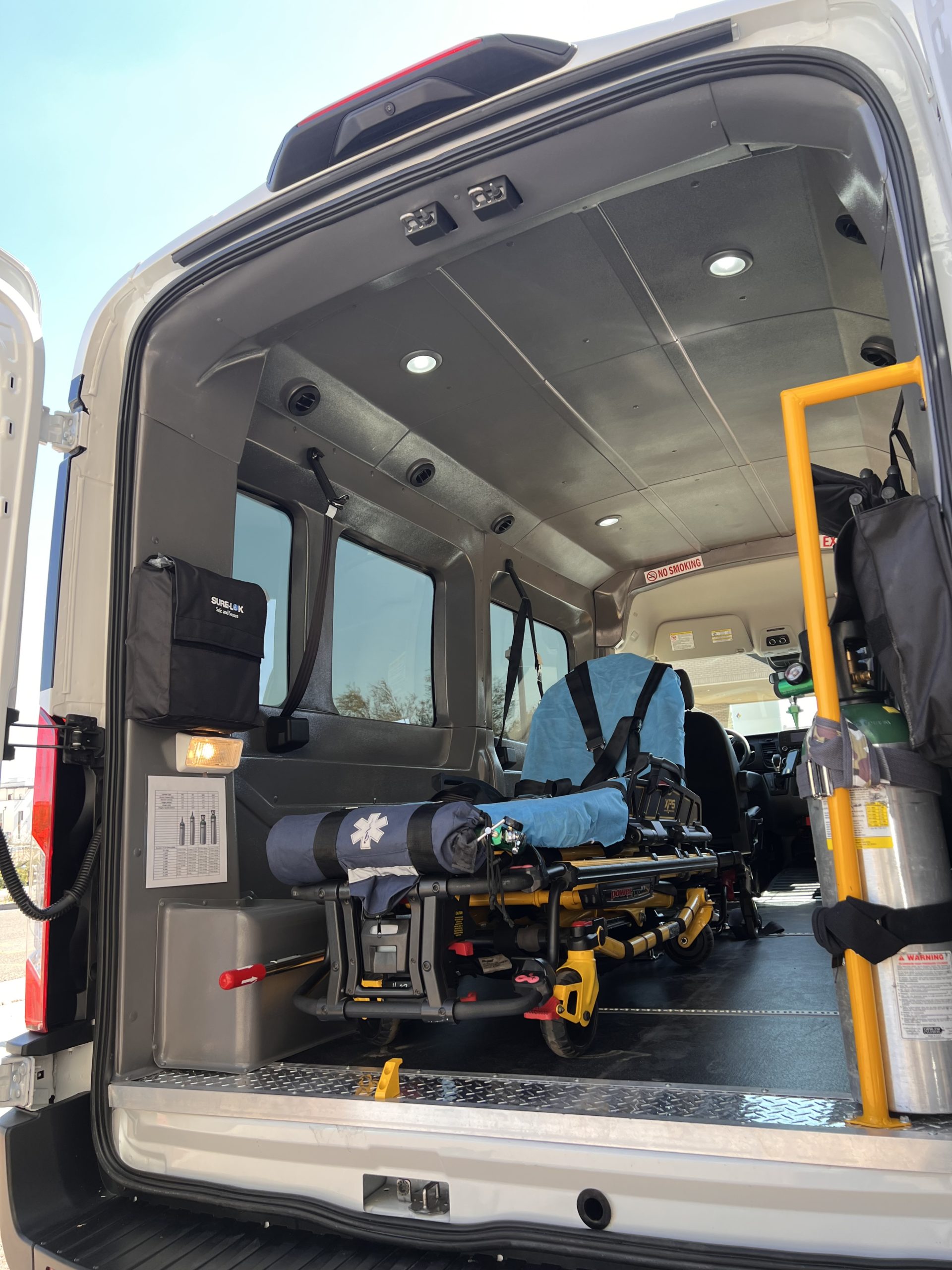
Sitting upright for a full trip can be tiring or uncomfortable when breathing is already difficult. In these situations, our Stretcher Transportation lets passengers remain reclined from pickup to drop-off on standard or bariatric stretchers.
That means they can travel home after a hospital stay, move between care facilities, or reach an appointment without having to remain upright for the ride.
Bariatric Transportation Provides More Space and Properly Sized Equipment
For COPD patients who need extra space for a wider wheelchair, oxygen equipment, and a caregiver, our Bariatric Transportation offers a better fit. Our spacious vans accommodate wheelchairs up to 34 inches wide, along with larger gurneys when reclined travel is needed.
When riders don’t have the right wheelchair or stretcher for the trip, we can provide one for use.
Long-Distance Transportation Offers an Alternative to Flying
Flying can be difficult for COPD patients who use oxygen, rely on a wheelchair, or need to remain reclined. Airport transfers, long walks, security lines, and equipment handling may add more strain than the flight itself.
When air travel isn’t practical or the destination is within driving distance, our Long-Distance Transportation offers another choice. Passengers can travel to an out-of-state specialist, return home after hospitalization, or cross state lines using the wheelchair, bariatric, or stretcher setup they need.
Every Ride, Built Around the Passenger
From the vehicle and equipment to the driver training and travel range, we prepare each HealthLift ride around the passenger’s mobility, comfort, and transportation needs.
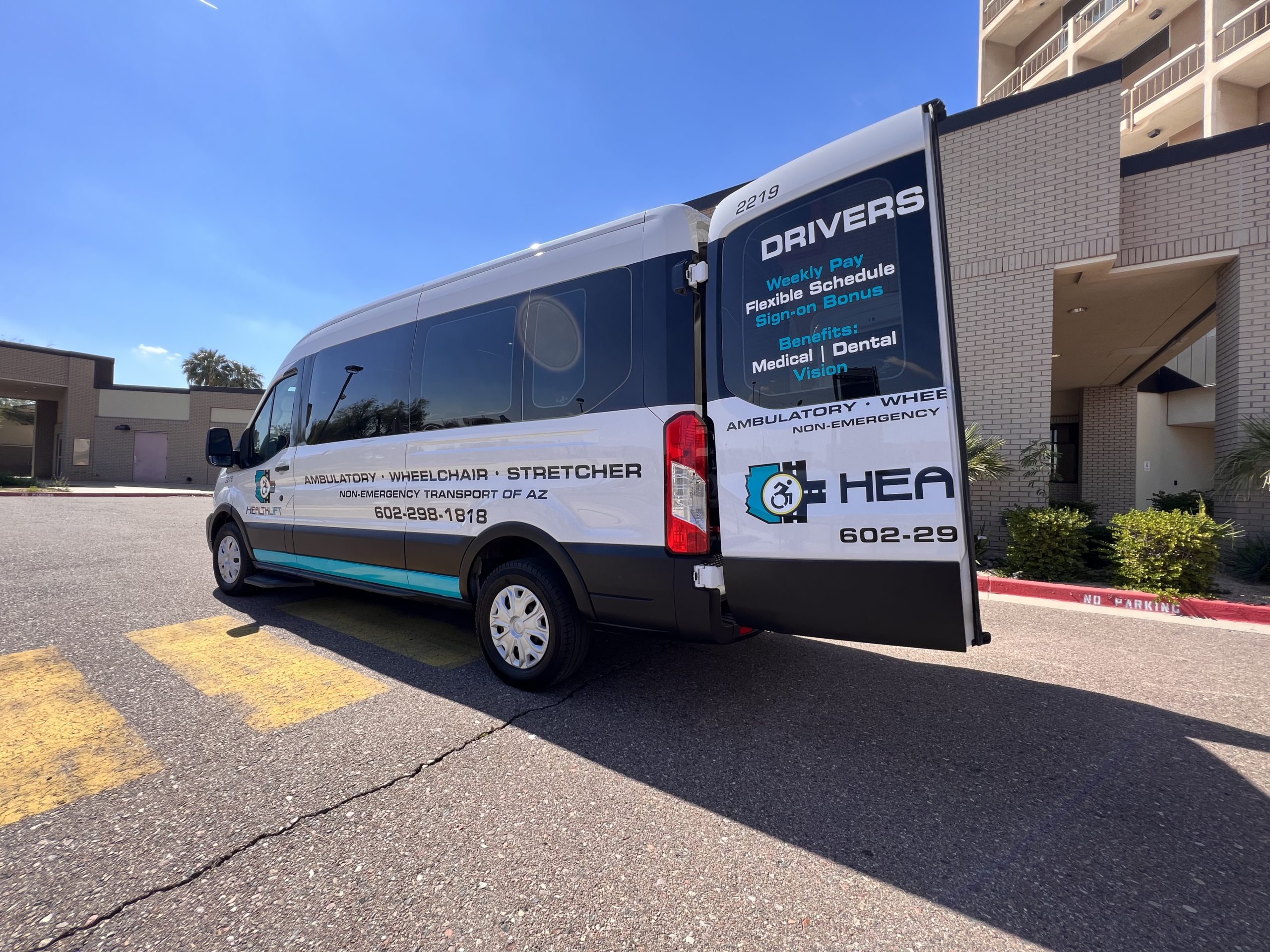
- Newer-model, ADA-compliant, dual-use vans
- Heavy-duty lifts for standard, oversized, bariatric, and electric wheelchairs
- Standard and bariatric stretchers
- Oxygen in the vehicle, which a caregiver must administer
- Specially trained drivers with CPR, defensive-driving, hospice-sensitivity, and PASS certifications
- Local, regional, and out-of-state transportation
Planning COPD Transportation in Arizona
Daily transportation for people with COPD may include more than a doctor’s visit. HealthLift can help arrange planned rides for various medical facilities, including:
- Banner – University Medical Center Phoenix, an academic hospital offering pulmonary care, imaging, laboratory services, and rehabilitation
- Mayo Clinic Hospital in Phoenix, where patients may receive pulmonary medicine and other advanced specialty services
- St. Joseph’s Hospital and Medical Center in Phoenix, a hospital campus that includes heart and lung specialty care
- Banner – University Medical Center Tucson, which provides pulmonary, imaging, laboratory, and specialty services
- TMC Pulmonary Associates in Tucson, an outpatient destination for pulmonary appointments and follow-up care
- Northwest Medical Center in Tucson, where patients may travel for hospital-based or pulmonary-related appointments
We serve passengers throughout the Phoenix and Tucson areas, including trips that begin or end in nearby communities. For recurring transportation, we recommend scheduling in advance so we can plan the right vehicle, equipment, and ride setup.
At HealthLift, our fleet is available 24/7, with convenient booking options:
- Call a ride for Phoenix: (602) 298-1818
- Set up a ride for Tucson: (520) 298-1818
- Book online with a free HealthLift account
HealthLift NEMT of AZ: Let’s Make the Next Ride Easier
Breathing limitations make transportation physically demanding, especially when a passenger uses oxygen, a wheelchair, or a stretcher. HealthLift has served Arizona passengers since 2015, and our team brings more than 75 years of non-emergency medical transportation experience to every ride we coordinate.
For patients, careful trip planning can reduce physical strain, difficult transfers, and unnecessary waiting. For caregivers and families, it provides greater peace of mind knowing the ride has been planned around the passenger’s needs.
Sign Up with HealthLift. Put the next ride in experienced hands.
FAQs About Life After Paralysis Transportation
What should families look for in the best spinal cord injury rehabilitation support?
The best spinal cord injury rehabilitation support often depends on the person’s injury level, mobility needs, therapy plan, and care team. From a transportation standpoint, families should also think about how their loved one will get to rehab visits, follow-up appointments, physical therapy, and other care destinations safely and on time.
How does discharge planning for a patient with spinal cord injury include transportation?
Discharge planning for a patient with spinal cord injury should include the right transportation before the person leaves the hospital, rehab center, or care facility. Families and case managers may need to plan for wheelchair access, stretcher needs, bariatric support, caregiver travel, oxygen, stairs, and the distance from the facility to home.
Why does transportation matter when choosing a spinal cord injury rehabilitation center?
A spinal cord injury rehabilitation center may become part of a person’s routine for inpatient care, outpatient therapy, or follow-up visits. Reliable transportation helps families plan those trips with less stress, especially when the rider needs wheelchair access, stretcher support, bariatric equipment, or long-distance travel across Arizona.
Can NEMT support adaptive equipment for spinal cord injury patients?
Yes. NEMT can support riders who travel with adaptive equipment for spinal cord injury patients, including manual wheelchairs, power wheelchairs, bariatric wheelchairs, stretchers, and other mobility needs. The key is to share equipment details before booking so the transportation provider can match the vehicle and support to the trip.
How can NEMT help with physical therapy for spinal cord injury patients?
NEMT can help with physical therapy for spinal cord injury patients by making transportation part of the care schedule. When families have a dependable ride option, they can plan therapy visits, follow-up care, and recurring appointments without relying only on family vehicles, caregiver availability, or last-minute transportation.