

Transporting a loved one with ALS or MS requires careful planning. In fact, a routine medical visit often demands the logistical precision of a major operation. Without proper support, even a minor delay quickly spirals into physical pain, deep fatigue, or dangerous overheating.
Finding reliable disabled transportation services resolves these uncertainties. Thus, this guide details how non-emergency medical transportation (NEMT) actively relieves the burden for Arizona families managing neuromuscular diseases.
The Hidden Logistics of Neuromuscular Conditions
Most people assume transportation is just about driving. For families managing Amyotrophic Lateral Sclerosis (ALS) or Multiple Sclerosis (MS), the ride itself is a physical event. Crucially, these three invisible factors often predict the success or failure of the day.
Energy Conservation
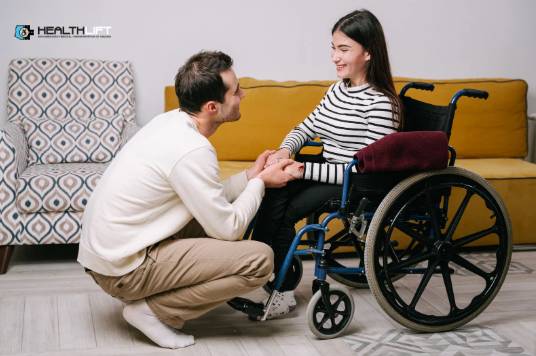
First, patients with neuromuscular conditions often operate on a limited energy budget. Because of this, a 20-minute struggle to load a manual wheelchair into a sedan depletes their stamina. By the time the patient arrives at the doctor, they are physically spent. However, specialized disabled transportation preserves this vital energy for treatment, not travel.
The Danger of Arizona Heat
Second, Arizona summers pose a specific medical threat to MS patients. It triggers a physiological reaction called Uhthoff’s phenomenon, where heat temporarily worsens neurological symptoms. For example, waiting outside for a ride or sitting in a vehicle that has not been pre-cooled is a safety risk. A professional transportation provider ensures vehicular climate control before the patient ever leaves their front door.
Equipment Weight
Third, modern power chairs provide independence, but they are incredibly heavy. In fact, many weigh between 250 and 400 pounds empty. Family vehicles simply can’t handle this weight safely without expensive modifications. Plus, attempting to lift a heavy chair manually puts the caregiver at risk of back injury.
Why Standard Rideshare Apps Fail ALS and MS Families
Naturally, many families turn to rideshare apps for convenience. However, these services typically operate on a curb-to-curb model. This creates immediate safety gaps for patients with neuromuscular conditions.
The Liability of Curb-to-Curb
In a standard rideshare, the driver stays in the car and rarely leaves the vehicle to assist. For an ALS patient who needs stability support while the ramp extends, or an MS patient dealing with balance issues, standing alone on a curb poses a severe fall risk.
Door-to-Door and Door-through-Door
Conversely, professional disabled transportation providers operate on a higher standard of care:
- Door-to-Door: The driver meets the patient at the front door, assists them onto the lift, secures the wheelchair using restraints, and ensures they check in at the clinic.
- Door-through-Door: For patients who need extra support, trained drivers assist from inside the home and straight through the doctor’s clinic doors. They help navigate the threshold and ensure a safe transfer from the very start of the journey.
Vehicle Specifications Matter
Ordering a large vehicle on an app doesn’t automatically secure accessibility. These vehicles may lack hydraulic lifts and proper headspace for power chairs.
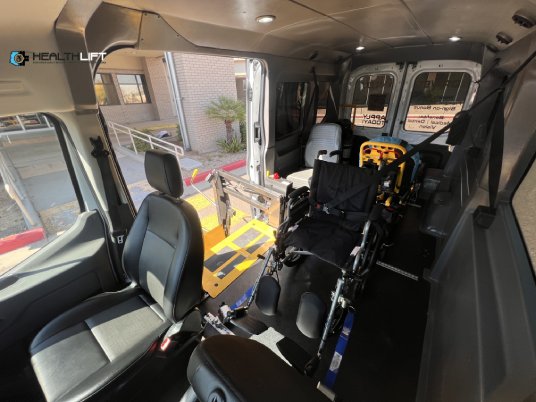
Thus, a true handicapped-accessible unit features a heavy-duty hoist or lift capable of handling standard, oversized, and bariatric wheelchairs. This equipment is essential for the complex rehab chairs used by many ALS and MS patients.
How to Vet a Reliable Disabled Transportation Provider
Trusting a stranger with a vulnerable family member requires vetting. When calling local disabled transportation providers, specific questions reveal their commitment to safety.
- Ask About Securement Systems
A loose wheelchair is dangerous. Verify that the provider uses industry-standard securement systems. - Confirm Specialized Training
Driving a medical transport van requires different skills from driving a taxi. Reputable services train their drivers in CPR, First Aid, Defensive Driving, and PASS (Passenger Service and Safety). This training ensures they know how to handle a difficult transfer with compassion and composure. - Check Schedule Protocols
Medical appointments operate on tight schedules. Ask the transportation provider how they handle return trips when the end time is uncertain. A quality service offers flexible return pickup, allowing you to call the dispatch team when the appointment is finished so the next available vehicle can be sent to your location.
A Low Stress Appointment Prep Guide
Control what you can. Specifically, have some preparation to protect the patient’s energy and reduce anxiety on long medical days.
Before Pickup
- Power Up: Charge power chair batteries fully the night before.
- Pack Essentials: Bring extra cushions, supports, a light blanket for air-conditioned waiting rooms, and water.
- Prepare Paperwork: Have ID, insurance cards, and appointment details ready in a single bag.
Make Pickup Smoother
- Clear the Path: Remove tripping hazards from the front door to the driveway.
- Lighting: Turn on porch lights if the ride is early morning or evening.
- Secure Pets: Keep animals in another room so loading remains calm and safe.
HealthLift: Arizona’s Professional Disabled Transportation Provider
When a family manages ALS or multiple sclerosis, transportation needs to feel dependable. It should never be another variable to worry about. With over 75 years of experience, HealthLift focuses on a safety first experience from the first call to arrival.
Premium Vehicles for Every Mobility Need
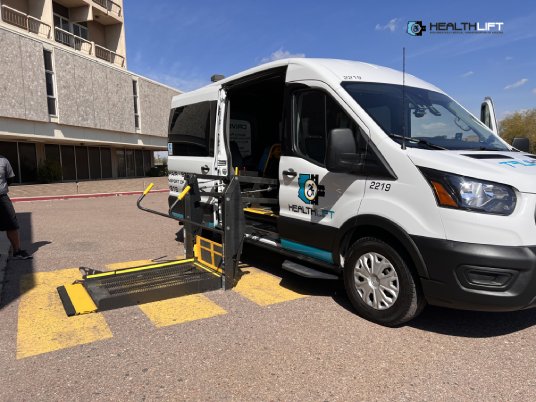
Locally-owned and operated, HealthLift serves the Metro Phoenix and Tucson areas with a fleet of ADA-compliant vehicles. We utilize wheelchair-accessible vans equipped with heavy-duty hydraulic lifts. Whether you use a standard manual chair, a complex rehab power chair, or require bariatric transportation, our vehicles accommodate the weight and width safely.
More Than a Driver
We believe we are part of your care team. Thus, we work with trained, certified, and drug-tested professionals who understand the nuance of neuromuscular conditions. They provide Door-to-Door and Door-through-Door services, ensuring dignity and physical safety at every step.
Flexible for Real Life
Medical needs do not always fit a standard business schedule. That’s why HealthLift offers 24/7 service and accommodates long-distance trips, even out of state, for families who need to reach specialists beyond the Phoenix or Tucson metro areas.
Helping AZ Patients and Families
ALS and MS demand resilience from patients and caregivers alike. The right disabled transportation services remove a major source of daily stress. By handling the logistics, the equipment, and the safety, we allow you to focus on what matters most: the health and well-being of your loved one.
Sign up with HealthLift. Get a dependable experience in Arizona built on safety, comfort, and clear communication.